
Natural Horse Behaviour & Behavioural Needs
 Wed, 04 March, 2026
 01:00 pm - 03:30 pm
(Your Local Time Zone)
01:00 pm - 03:30 pm
(Your Local Time Zone)


Species
Equine
Contact Hours
2.5 Hours - RACE Approval Pending
Early Booking Deadline
Sun, 09 November, 2025
Registration Deadline
Fri, 28 November, 2025
Language
English
Discipline
Behaviour
Veterinary Partners
Global




Time: London 6PM / Paris 7PM / New York 1PM / Sydney 5:00AM (+1)
Part of the Clinical Equine Behaviour - Science, Welfare & Behavioural Medicine Online Lecture Series
CONTENT DESCRIPTION
The wild relative of domestic horses, the Przewalski horse, was at the brink of extinction but was preserved through an international breeding network and can be observed today in zoos and reserves and have also been successfully re-introduced to the wild. We are fortunate to be able to study these horses in various contexts. In addition to Przewalski horses, other feral horse groups that receive minimal management from humans provide important information on natural horse behaviour. Several studies suggest that domestic horses express the same movement and social behaviours as wild horses if provided with an appropriate physical and social environment. Thus, the behavioural repertoire and behavioural needs of domestic horses appear relatively unchanged by domestication.
Horses are social herbivores with a digestive system adapted to a diet of low nutrient grasses and other plants, consumed steadily throughout the day. They are adapted to moving slowly forward while foraging and frequently move between patches of grass, and between various types of forage, even when grass is abundant. Opportunities for variable foraging, free movement and full physical contact with other horses are likely related to positive mental states in horses.
The lecture will present recent research on natural horse behaviour and relates the findings to behavioural needs and welfare of domestic horses. A behavioural need is usually characterized by three elements; absence of opportunity to perform the behaviour leads to a state of stress and possibly development of abnormal behaviour, animals will show a rebound in the behaviour when the opportunity arises after a period of deprivation, and the animal will work to be able to perform the behaviour.
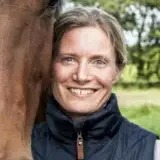


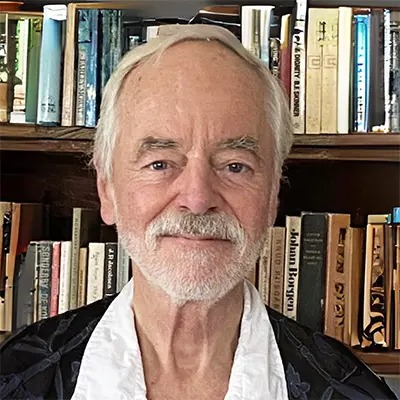
Jan Ladewig is a veterinarian from the Royal Veterinary and Agricultural University in Copenhagen. He has a Ph.D. degree in Animal Behavior from University of California, Davis, USA. He has worked at a German research institute studying behavioral and physiological reactions to stress in cattle, pigs, and horses and he has developed a method for the quantitative measurement of motivation for animals to perform natural behavior. He is a professor at Copenhagen University teaching behavior and welfare of domestic animals to vet students and animal science students. In addition, he has supervised numerous Ph.D. and Master’s students.
Jan Ladewig is a member of the International Society of Applied Ethology (ISAE) since 1982. From 1992 – 1994 he was president of the society. He is also a member of the International Society for Equitation Science (ISES) since its beginning in 2002 and he is an honorary member of the society since 2007.
In addition to having worked as a practicing horses vet Jan is an active rider. His main interest is the scientific background of training horses, especially from a safety and welfare point of view. He lives with his wife and youngest daughter in the countryside south of Copenhagen, Denmark and owns 2 ½ horses.
More InfoQualified Vet
Webinar
USD 180.00
Intern/Resident/PhD (Requires proof of status)
Webinar
USD 135.00
Vet Nurse/Vet Tech (Requires proof of status)
Webinar
USD 135.00
Physiotherapist / Physical Therapist
Webinar
USD 135.00
Farrier
Webinar
USD 135.00
Non-veterinary Attendee
Webinar
USD 135.00
Veterinary Student (Requires proof of status)
Webinar
USD 35.00
If the options you are looking for are unavailable, please contact us.
No tax will be added unless you are a UK taxpayer
Choose currency at checkout